A tip that made everything clear
It started with a tip. The Maharashtra Police got word of strange behavior at the TCS BPO unit on Ashoka Marg in Nashik. What happened next was a secret operation that was unlike anything seen in a corporate office in a long time. Police officers, including women, worked undercover as housekeeping staff in the building for almost two weeks.
What they found was not a small compliance failure. There was a pattern of harassment, coercion, and supposed attempts to change the religious beliefs of female employees. The first FIR was filed at the Deolali police station in March 2026. Since then, the case has become one of the most shocking scandals in India’s IT sector.
What the Claims Say
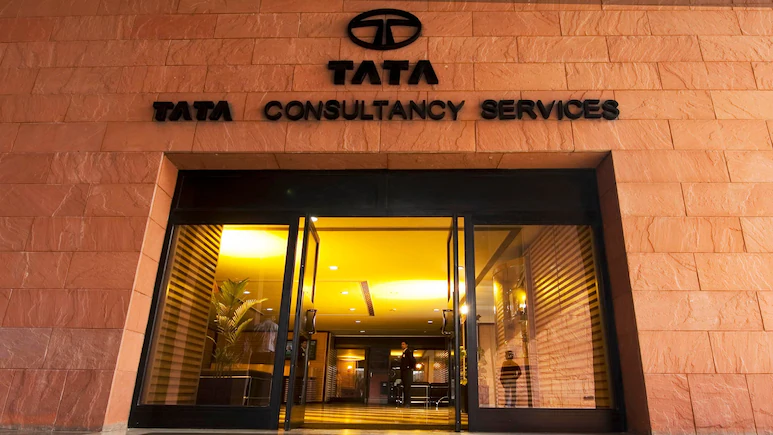
Eight women who work at the TCS Nashik BPO have said that their male coworkers have sexually harassed them, abused them mentally, and forced them to follow their religion. The police have filed at least nine FIRs, set up a Special Investigation Team (SIT), and arrested seven people who are accused of the crime.
Among the accused is Danish Shaikh, who is said to have lied about being married to a female coworker to get her to marry him. He has been charged with rape. Others who are accused, such as Tousif Attar, Raza Memon, Shahrukh Qureshi, Asif Ansari, and Shafi Sheikh, are facing charges that range from sexual misconduct to saying very rude things about Hindu gods and religious feelings. Nida Khan, one of the accused, is currently on the run.
The fact that someone allegedly did not act on the complaints makes the case even worse. Police say the victims raised their concerns with the company, but HR did nothing. According to reports, the harassment went on for months, even though there were many complaints.
The HR manager is in trouble.
One of the most damaging things about this case is that police arrested Ashwini Chanani, a senior HR manager at TCS Nashik. She was also a member of the company’s own Internal Committee (IC) under the POSH (Prevention of Sexual Harassment) Act.
According to investigators, the person who was supposed to protect workers from harassment contributed to the problem. Police have taken 78 emails and chat logs from official devices, which they now consider important evidence. People are looking at call records, CCTV footage, and internal communication logs to see if someone purposefully hid complaints.
This isn’t a problem with the paperwork. The internal safety net didn’t just fail; it may have worked against the people it was meant to protect.
The Uncomfortable Mirror of Corporate India
TCS has said that it has a “zero-tolerance policy towards harassment and coercion of any form” and that all employees who were accused have been suspended while the investigation is ongoing. It is also said that the Nashik BPO campus has been closed.
But this case has started a bigger conversation that goes far beyond TCS. Business Today said that the scandal makes it clear that India’s big companies may have serious problems with how they prevent and deal with harassment, not just at TCS but throughout India Inc. Other big IT companies have also started to voice similar concerns on social media.
Having a POSH policy in an employee handbook doesn’t mean you have a working, reliable system. When an HR manager on the committee handling complaints is arrested, it shows how easily these systems can be broken from within.
Many young women work in the IT and BPO sectors, often at night, in high-pressure environments with strict power hierarchies. These are the kinds of places where harassment can happen without anyone stopping it and where it can seem like speaking up will cost too much.
What Must Change
The TCS Nashik case is a test for all of India’s largest employers, not just one. It’s clear that
Internal committees need to be free to make their own decisions. Putting HR managers on POSH committees, where they report to company leaders, creates a conflict of interest. IC members should include outside members who are not loyal to any one organization.
There needs to be outside oversight of complaints. When internal systems break down, employees need a reliable outside source. There is a District Officer mechanism under POSH, but it is not often used or talked about.
There can’t be any tolerance at all. Not a statement to the press. Not a break. A real investigation shares clear results with employees, not just courts.
A Long-Awaited Reckoning
Eight women had the guts to say something. An undercover police operation proved what internal systems wouldn’t see. Seven people are in jail. And now one of the biggest IT companies in the world is trying to figure out why its HR system seems to have been involved in the cover-up.
People will probably study the TCS Nashik case for years as an example of how compliance can fail, how institutions can betray their own rules, and how corporate policy doesn’t always match up with what people actually do. The most important question it leaves for working women in India is, if you can’t trust those who are supposed to protect you, who can you trust?
That question needs an answer, and not just in courtrooms.